
When someone is living with Alzheimer’s disease or another form of dementia, staying socially active can become more difficult. Simple things such as going out and interacting with the outside world may start to feel overwhelming, exhausting, or overstimulating. Over time, this can lead to feelings of isolation for both the individual and their care partner. However, maintaining these social connections is essential for those navigating the disease.
As these challenges become part of daily life, having a place where you can feel comfortable, supported, and understood can make a meaningful difference. Connect2Culture addresses these needs directly.
What is Connect2Culture?
Connect2Culture is a year-round social engagement program that’s designed for individuals living with Alzheimer’s disease or another form of dementia and their care partners. The program brings people together for exciting excursions and engaging activities designed to build long-lasting friendships. The program is intended for individuals being cared for at home, along with their spouses or care partners who support them.
The program is helpful for those experiencing early memory loss because it gives families the opportunity to build long-term friendships and support systems early in their journey. For individuals in the middle stages, the program provides structured cognitive engagement and makes them feel seen and supported through meaningful activities.
Getting Active and Connected
Connect2Culture hosts four to six gatherings each month. These events include:
- Museum visits
- Picnics at the park
- Music programs
- Dance gatherings
- Art activities
- Concerts
- Social events
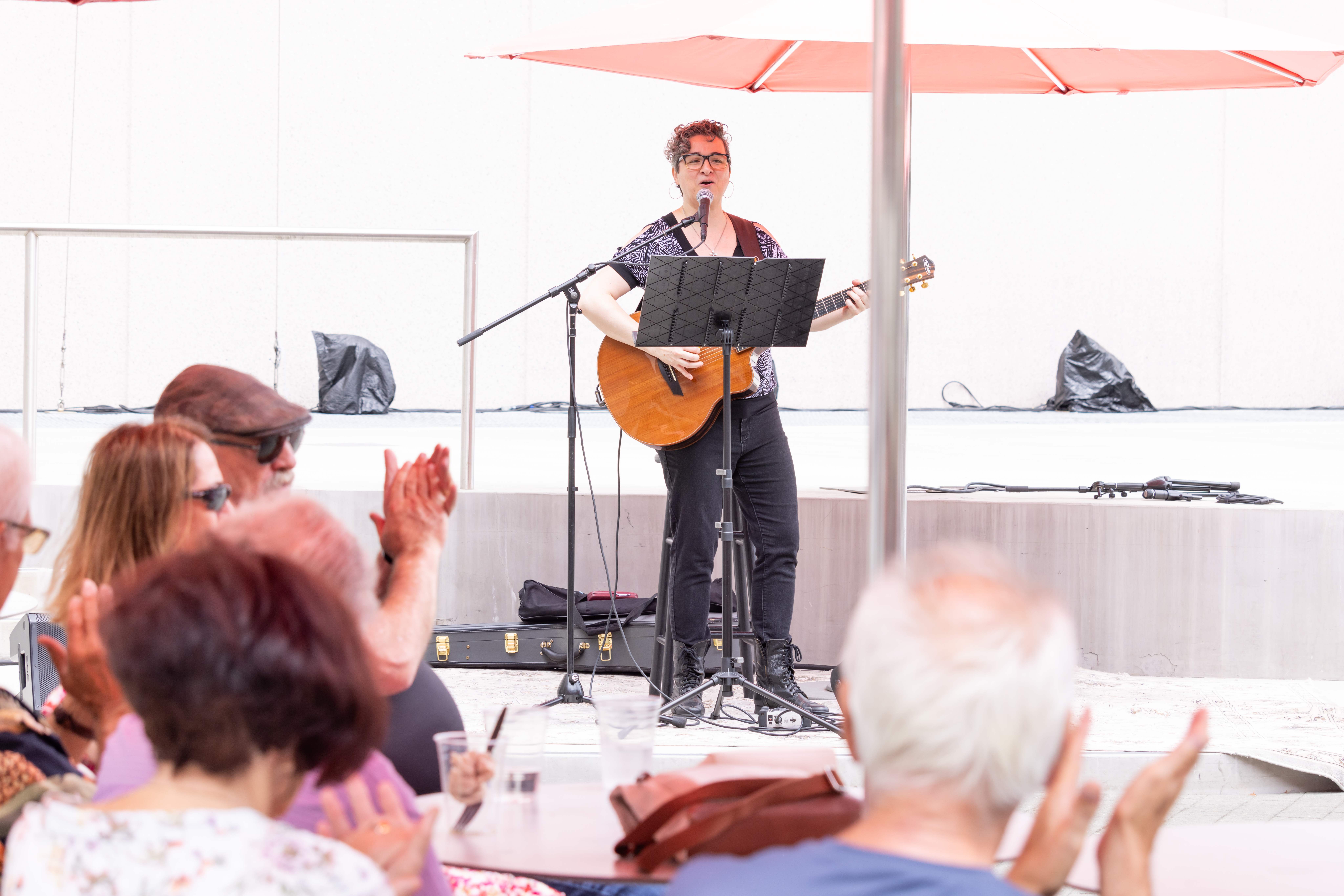
AlzOC lunch social with Lina Hayek 8.10.23. Photo by Rachel Scott (Courtesy of Segerstrom Center for the Arts)
The events are set up as meet ups, where the participants and their care partners meet on site, participate in the activity, and connect with others. Each activity is designed to give participants a comfortable way to enjoy themselves outside of home, enjoy new pleasant experiences, and socialize with others. For example, museum visits can spark curiosity and conversations when looking at art projects. Picnics at the park can give individuals and their care partners a chance to have a peaceful time to enjoy nature, food, and spend time with others. Music programs and concerts use songs to stimulate memory. Participants sing and dance with joy, leaving them feeling happy, active, and engaged.
These activities support individuals socially, mentally, and physically. Participants feel motivated to go out, move their bodies, stimulate their minds, and enjoy time with others. For care partners, these events give them the chance to socialize with other care partners, connect and create support systems, and step away from daily stress for a while.
Why the Program is Necessary
The main purpose of the program is to help prevent and reduce isolation. When someone is living with Alzheimer’s or some other form of dementia, it is common to start pulling away from the world. The individual may not want to go out because things feel overwhelming, and their care partner may also start staying home more due to stress or uncertainty. Overtime, this can make both the individual and the care partner feel lonely. That’s why having people they can connect with is so crucial.
“Most of all our loved ones, have a group of people that welcome and embrace them, show them that they are not alone and that they are valued. These are our people! ” – L.S*, program participant
Connect2Culture fights isolation by bringing together people with shared experiences to enjoy activities as a community. It helps participants build long-term friendships and support systems with people who understand their situation. This is especially important for individuals with early memory loss because creating these relationships early helps families feel supported as the disease progresses.
“It’s more than just the activities—it’s the feeling of being understood, supported, and not so alone in all of this. These gatherings give us something to look forward to and allow us to create moments and friendships we truly hold onto.” – C.R*, program participant
These activities help improve mood, confidence, and social connection while creating meaningful moments. It creates a space where they are not defined by their diagnosis but instead are able to enjoy the events with others.
Impact on Participants
You can see the impact of Connect2Culture by the way participants respond to each event. For some, it sparks the motivation to go outside and try activities they enjoy again. For others, it brings a noticeable change in mood and confidence, helping them be more open when interacting with others. Ultimately, they feel happy and enlightened.
“Alzheimer’s OC’s Connect2Culture program has been an absolute lifesaver for me and my husband. We so needed to connect with other couples traveling this difficult journey through the fog of dementia. This program has provided us a venue to share our love stories, to dance, to exercise and to learn musical history.” – L.S

AlzOC lunch social with Lina Hayek 8.10.23. Photo by Rachel Scott (Courtesy of Segerstrom Center for the Arts)
Music events show how powerful these activities can be. During these events some individuals who are nonverbal begin to sing along to familiar songs they remember. Even if they do not speak much anymore, the music brings out a part of them where they recall the song and begin to sing and dance.
Families often notice these changes. They see how their loved ones enjoy their moment and become more engaged and show happiness during the events and activities. These moments may seem small to the average person, but they mean a lot to families navigating cognitive decline.
“The Connect2Culture program truly means a lot to my husband and me. Caregiving can feel isolating and, at times, overwhelming, but these events have given me something really meaningful – time to simply be present and enjoy life with my husband and the friends we’ve made along the way. Whether we’re singing together at Music for Your Mind, going on a field trip, or just sitting and sharing a meal at the family picnic, those moments help me let go of the feeling that I always have to ‘get it right.’” – C.R
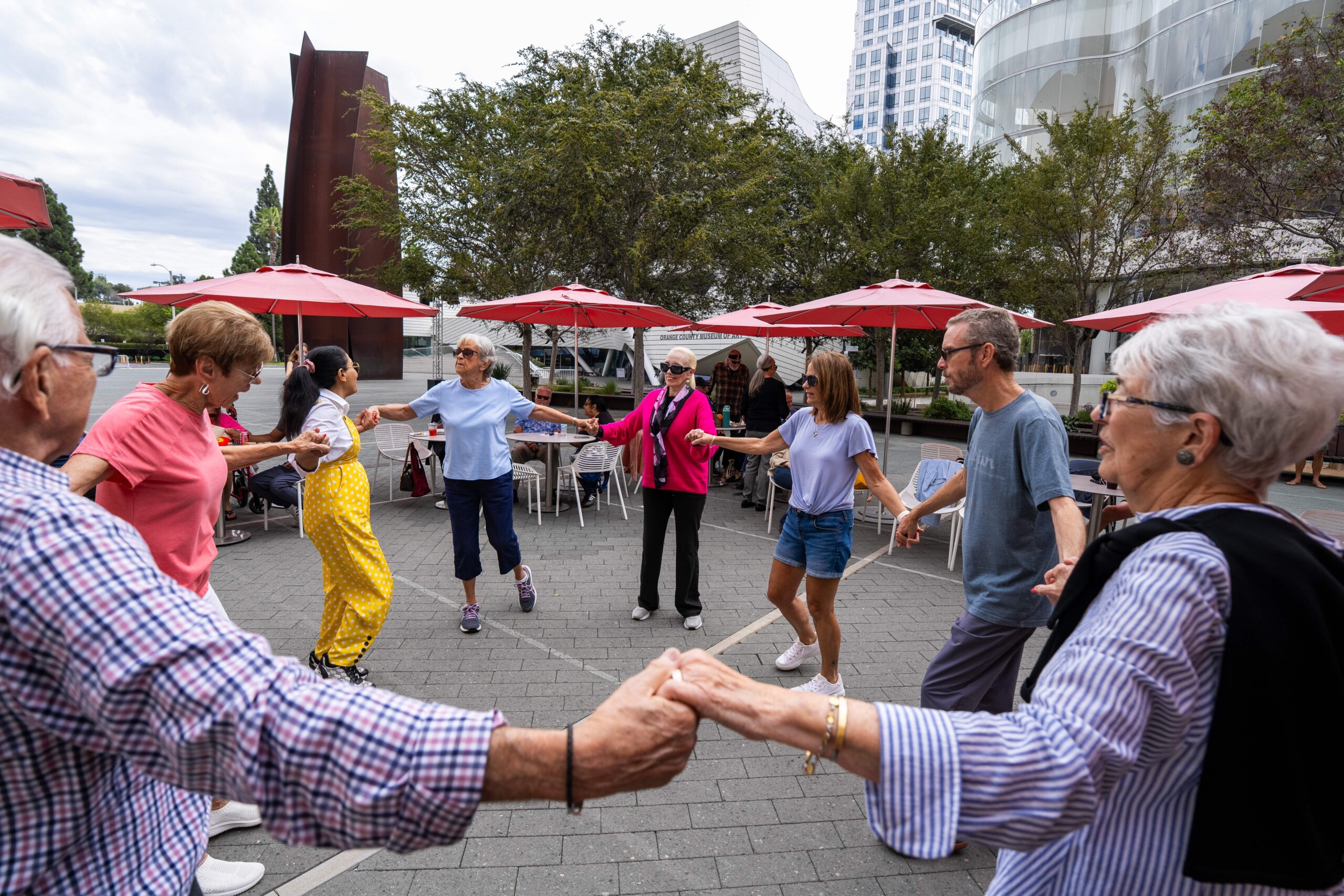
Photo by Scott Smeltzer (Courtesy of Segerstrom Center for the Arts)
Supporting Care Partners
Connect2Culture supports the care partner just as much as the person living with dementia. Caregiving can often feel isolating, especially when all the focus is on the needs of the person with the disease. Connect2Culture gives care partners the chance to socialize and feel less alone by building friendships with others like them.
“I’m so thankful for this program and the sense of community it’s brought into our lives.” – C.R
The program allows care partners to enjoy time with their loved ones in a holistic way. It gives them a chance to take a break and distract themselves by exploring and participating in events, enjoying a picnic, attending music concerts, and enjoying lighthearted moments with each other. Some care partners continue attending the program even after their loved one has passed because of the relationships and support they built through the program.
Why Your Support Matters
Connect2Culture aims to keep our programs free or low-cost so that every family can join in. Support from our community is very helpful and always appreciated. Donations, sponsorships, and volunteers keep the program going and help us welcome even more families to these events.
Living with Alzheimer’s or another form of dementia can bring challenges, but programs like Connect2Culture help families feel supported. It is more than just a program; it is a community built to ensure you stay close to the things you love and to each other.
To help support programs like this, please visit www.alzoc.org/donate.
*Participants’ full name has been withheld for confidentiality
Related Information
Early Stage Services
Explore services for those experiencing mild memory loss or those interested in learning about brain health. Learn more.
Program Spotlight Memory University
Learn more about this six-week group course for persons with mild memory loss and their care partners where participants explore a variety of topics over six sessions taught by leading dementia experts. Read more.
Programs & Services
See Alzheimer’s Orange County’s other programs and services available. Learn more.