
Live Online Webinars
Who Am I? Preserving Identity Through the Dementia Journey
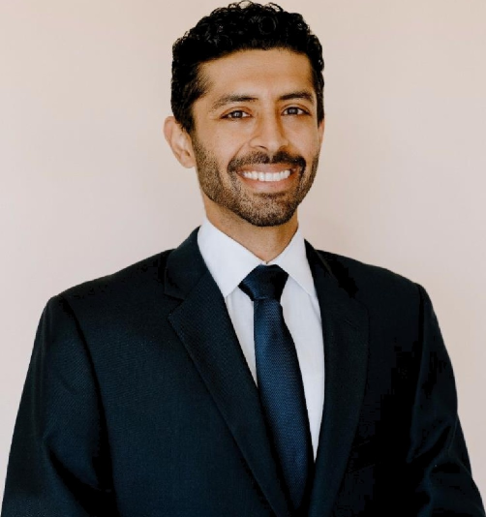
This course examines how memory, dementia, caregiving, and aging shape a person’s identity and daily life. Participants will review how memories are formed, distinguish normal age-related changes from warning signs of dementia, and explore Alzheimer’s disease and other common causes of dementia. The course also addresses diagnosis, stages, treatment approaches, caregiver preparation, safety, communication, routines, behavioral expressions, caregiver burnout, aging trends, and available community resources. Throughout the course, participants are encouraged to recognize the person beyond the diagnosis and support dignity, autonomy, and quality of life.
At the completion of the course, participants will be able to:
- Explain the basic role of neurons, neurotransmitters, and the hippocampus in memory formation.
- Differentiate normal age-related memory changes from common warning signs of dementia.
- Describe treatment and supportive-care approaches used across the stages of Alzheimer’s disease.
- Date: Tuesday, November 10, 2026 | 11:30 am – 1:30 pm PDT
- Location: Webinar
- Presenters: Dr. Neal H. Patel
- One (1) CE Credit Hour Offered: RCFE, BRN, CAMFT/BBS
- Fee: $10 (for CE credit)
Need help with Zoom? Download our Zoom tutorial below.
Events
-
-
Memories in the Making: Facilitator Training (Online)
ZoomAre you passionate about helping individuals with dementia find joy and connection through art? Take the next step by becoming a certified facilitator for Memories in the Making, an innovative program that uses creative expression to unlock memories and emotions. What is Memories in the Making? Memories in the Making is a unique art program
-
Who Am I? Preserving Identity Through the Dementia Journey (Online)
ZoomThis course examines how memory, dementia, caregiving, and aging shape a person's identity and daily life. Participants will review how memories are formed, distinguish normal age-related changes from warning signs of dementia, and explore Alzheimer's disease and other common causes of dementia. The course also addresses diagnosis, stages, treatment approaches, caregiver preparation, safety, communication, routines,
-
Memories in the Making Refresh Training (Online)
ZoomThis refresher training is designed for those that have taken the Memories in the Making facilitator training and want to strengthen their skills and reconnect with the purpose of the program. Review key facilitation techniques, person-centered approaches, and practical strategies for creating meaningful art experiences that support expression, connection, and dignity for people living with
-
-
Lunch N’ Learn: Alzheimer’s and Dementia: The Current Science
Walnut Village Retirement Community 891 S Walnut St., Anaheim, CA, United StatesWhat do we know today about Alzheimer’s disease and other dementias—and where is the science heading? This Lunch N’ Learn provides an accessible update on current research, including what we understand about brain changes, risk factors, diagnosis, biomarkers, treatment advances, and emerging directions in dementia care and prevention. Presentation is at 11:00am followed by a